
Community Voices
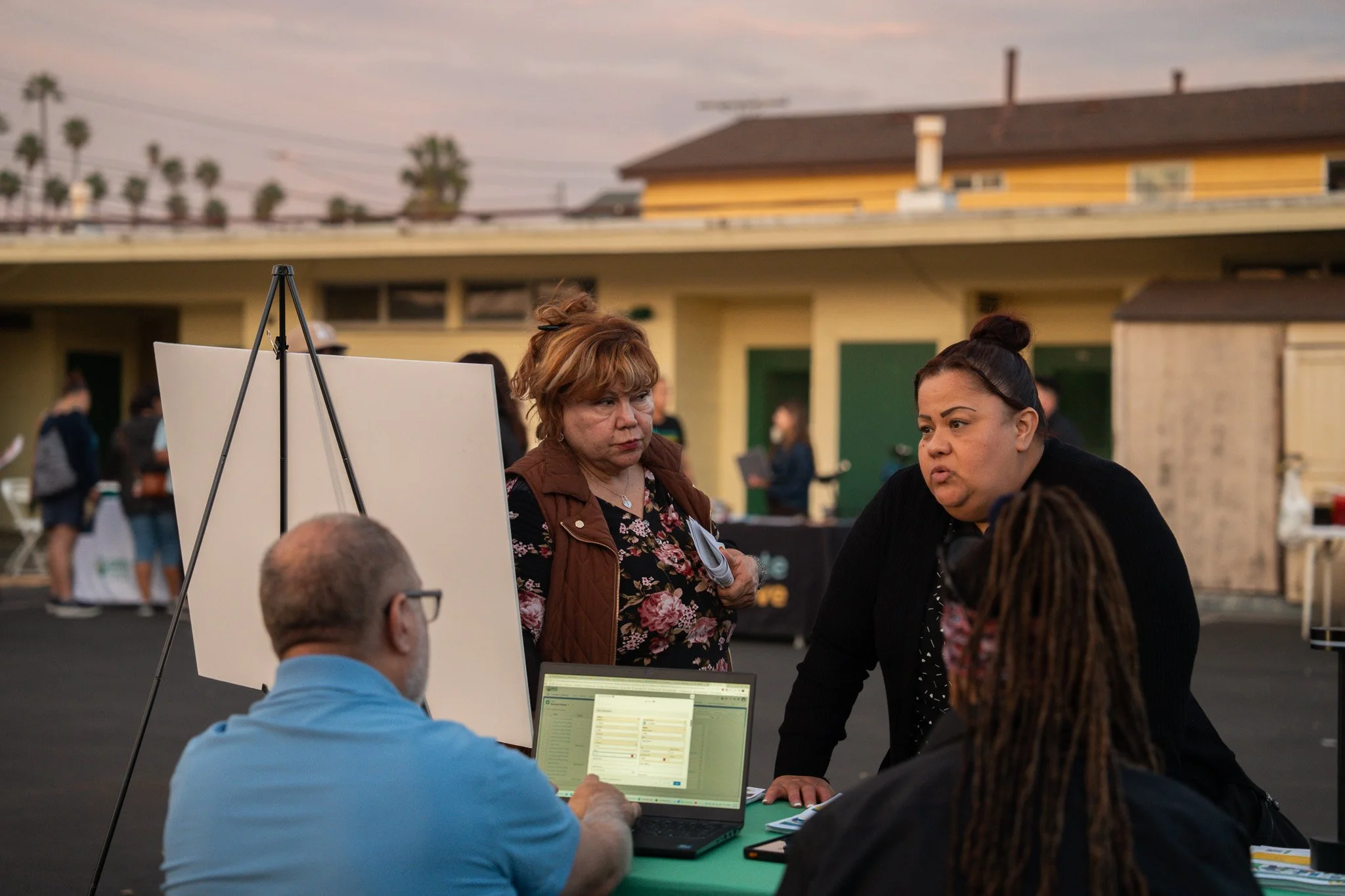
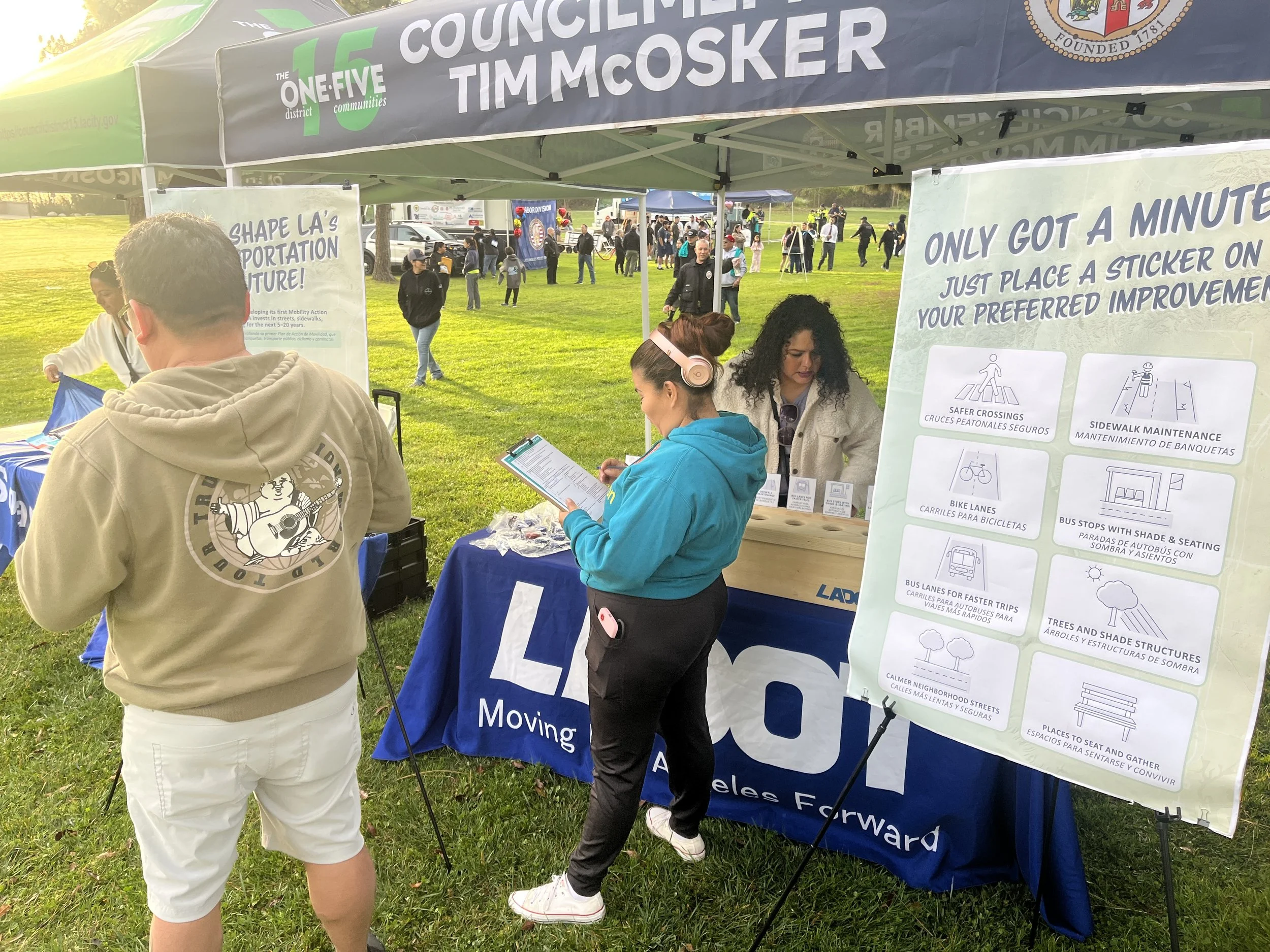
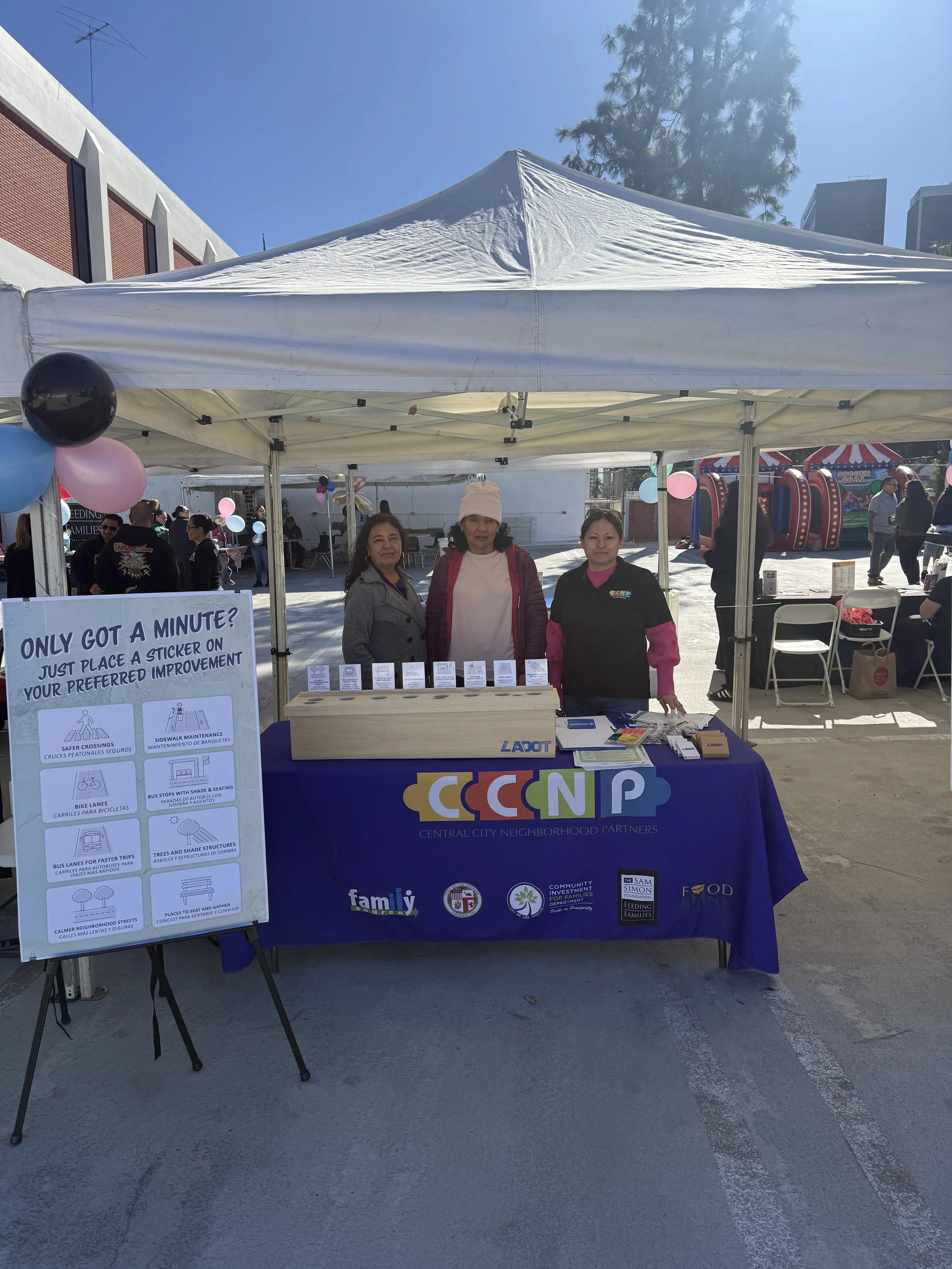
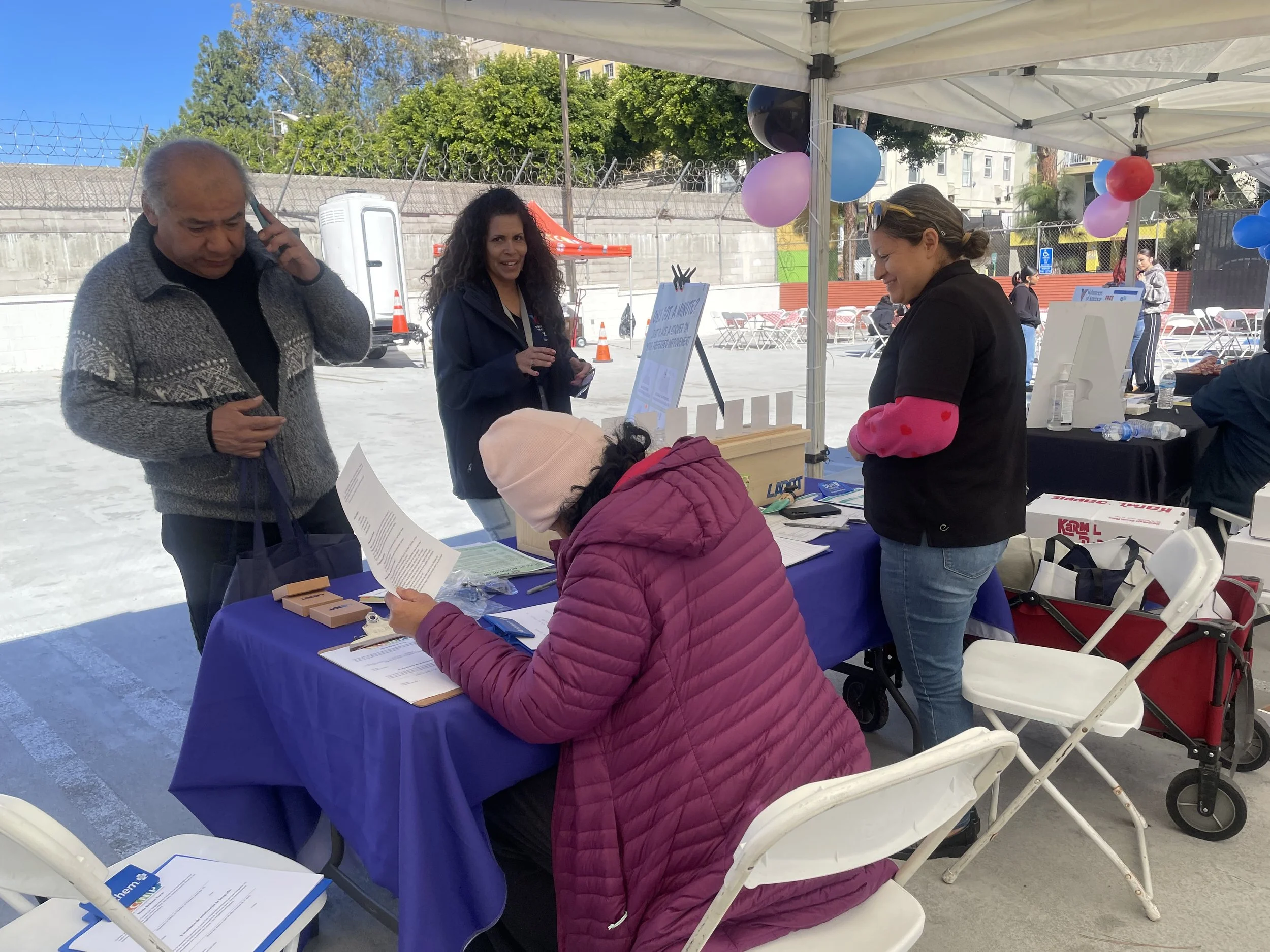
LADOT and community-based organizations heard from Angelenos across the City about transportation priorities, challenges, and the trips that are the hardest to make.
How Community Input Shapes the Plan

1. Guiding Principles
Confirms what matters most when the City makes transportation decisions.

2. Project Types
Points to street improvements like safer crossings, sidewalk repairs, bus lanes, bike lanes, shade, and lighting.

3. Prioritization
Helps the City compare projects based on safety, connectivity, equity, and mobility benefits.

4. 5-Year Plan + 20-Year Strategy
Guides what can move forward sooner and what should be planned for later.

5. Program, Policy,
and Process
Highlights needs beyond construction, like maintenance, operations, partnerships, and funding
Engagement Goals
Gather broad public input on long-term transportation needs, barriers, priorities, and values.
Help Angelenos understand how transportation investments are planned, funded, and delivered.
Prioritize input from communities facing the greatest transportation burdens.
Collect feedback from a diversity of voices across age, race and ethnicity, gender, ability, income, and travel mode.
Connect community participation to MAP recommendations, investment priorities, and future implementation.
Build trust and transparency between the City and Angelenos.
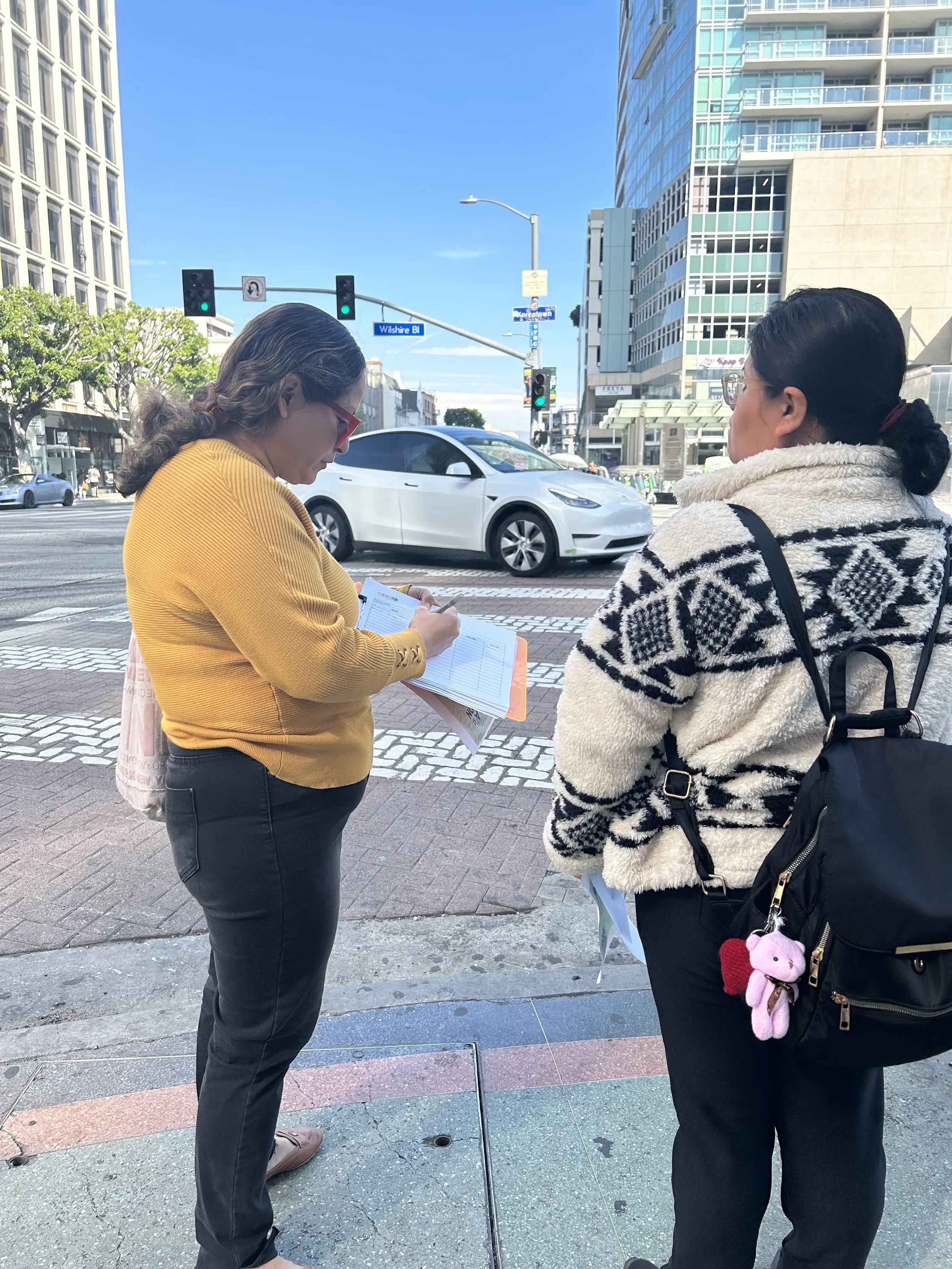
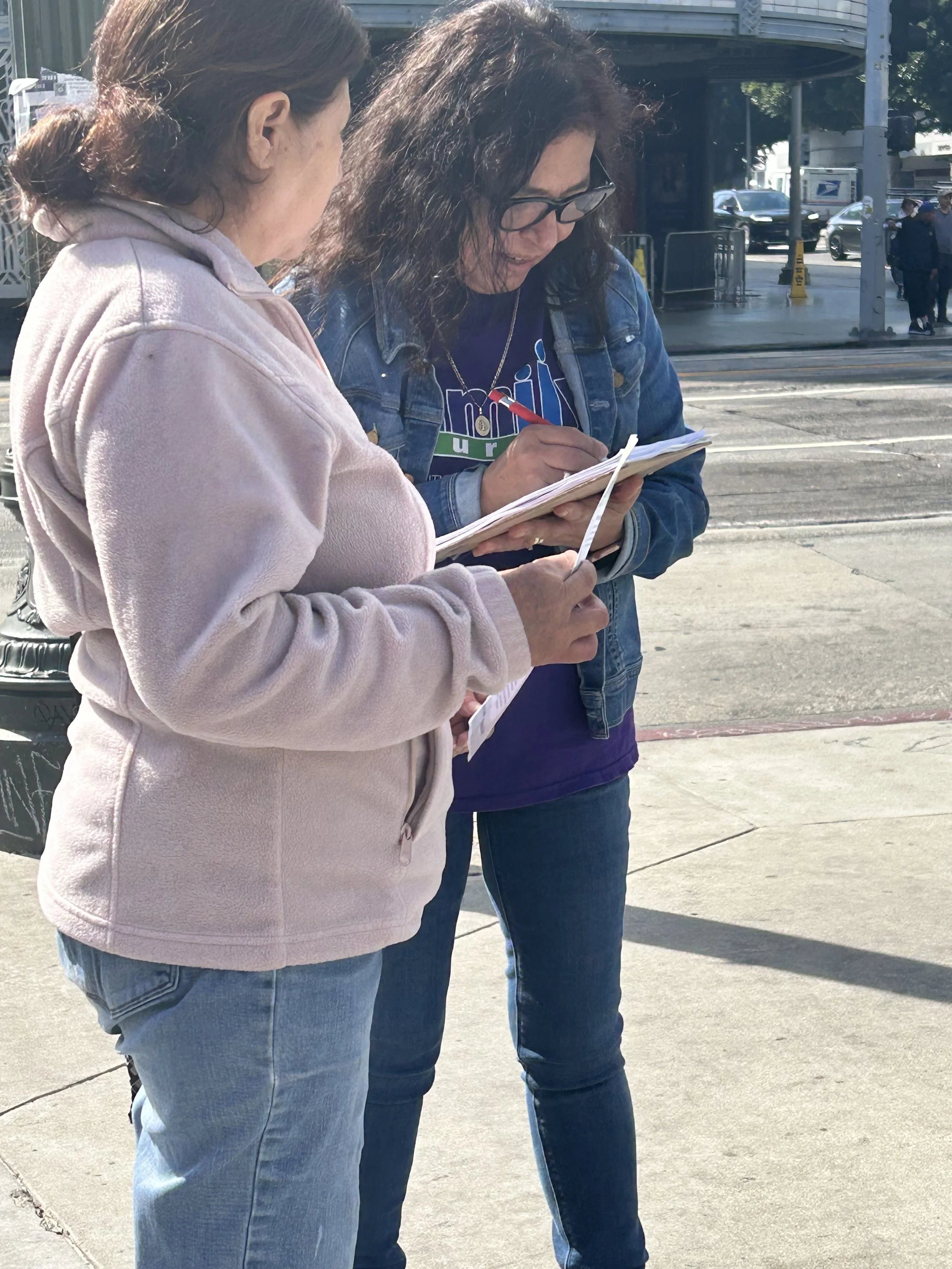
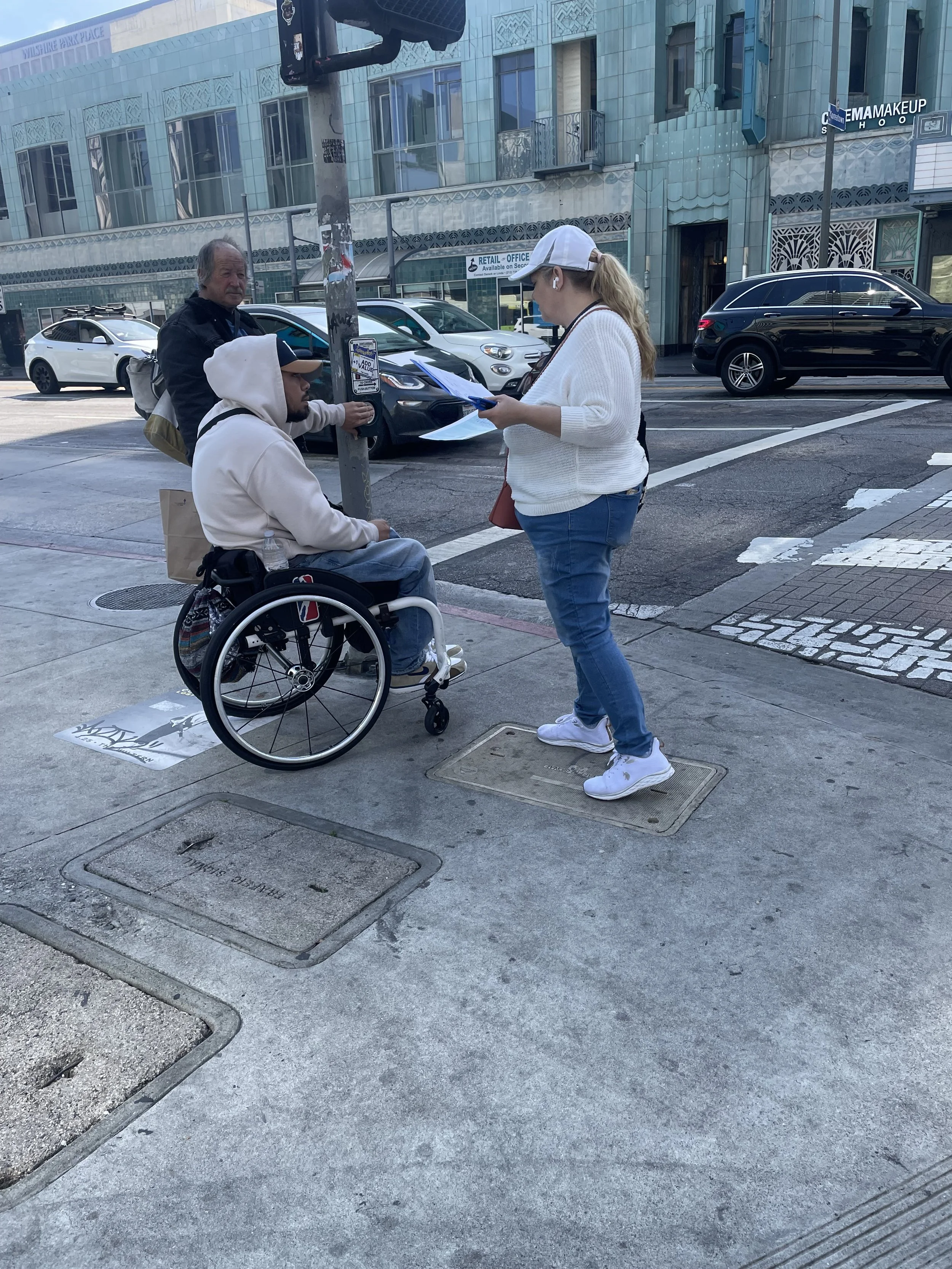
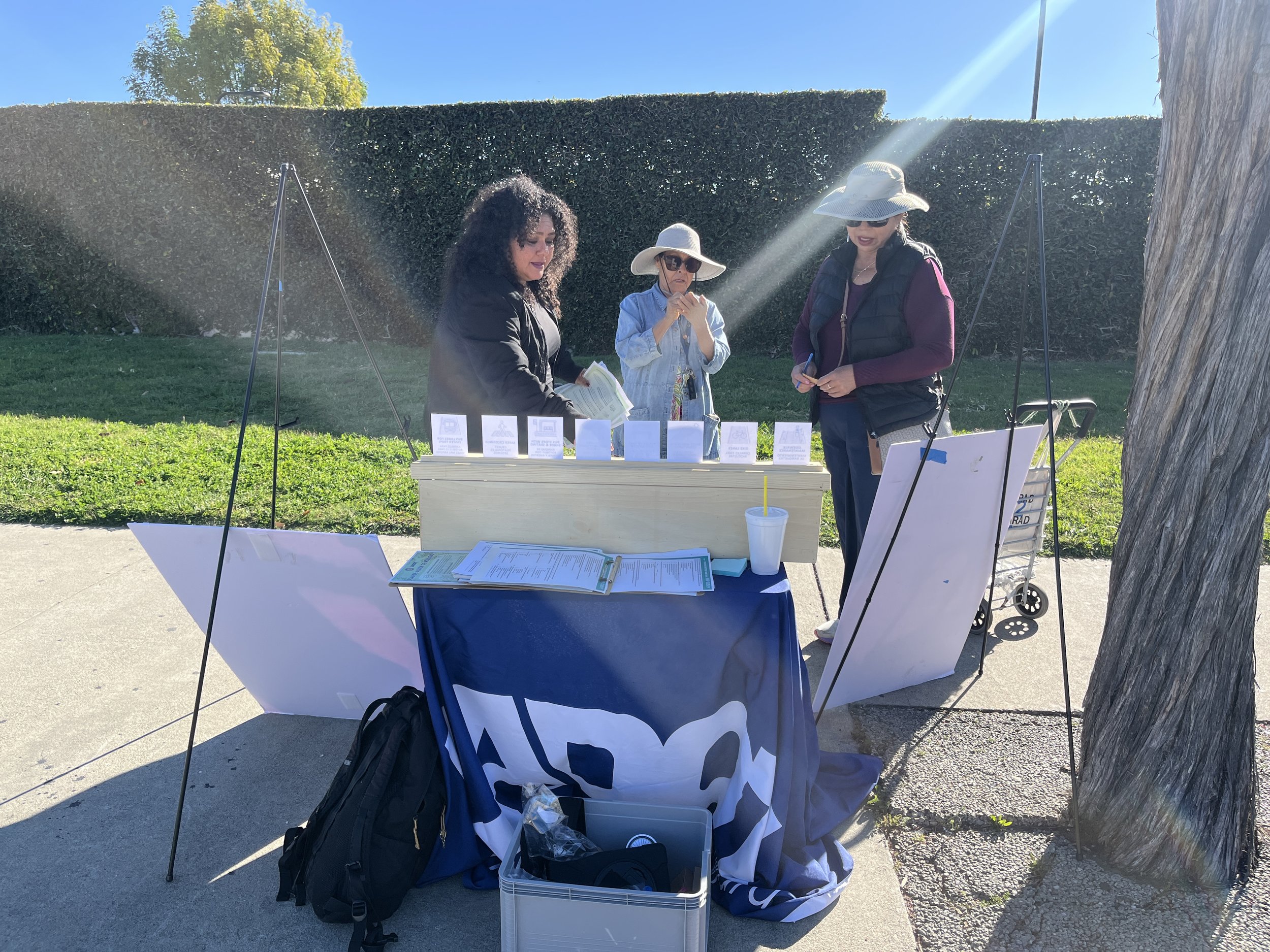
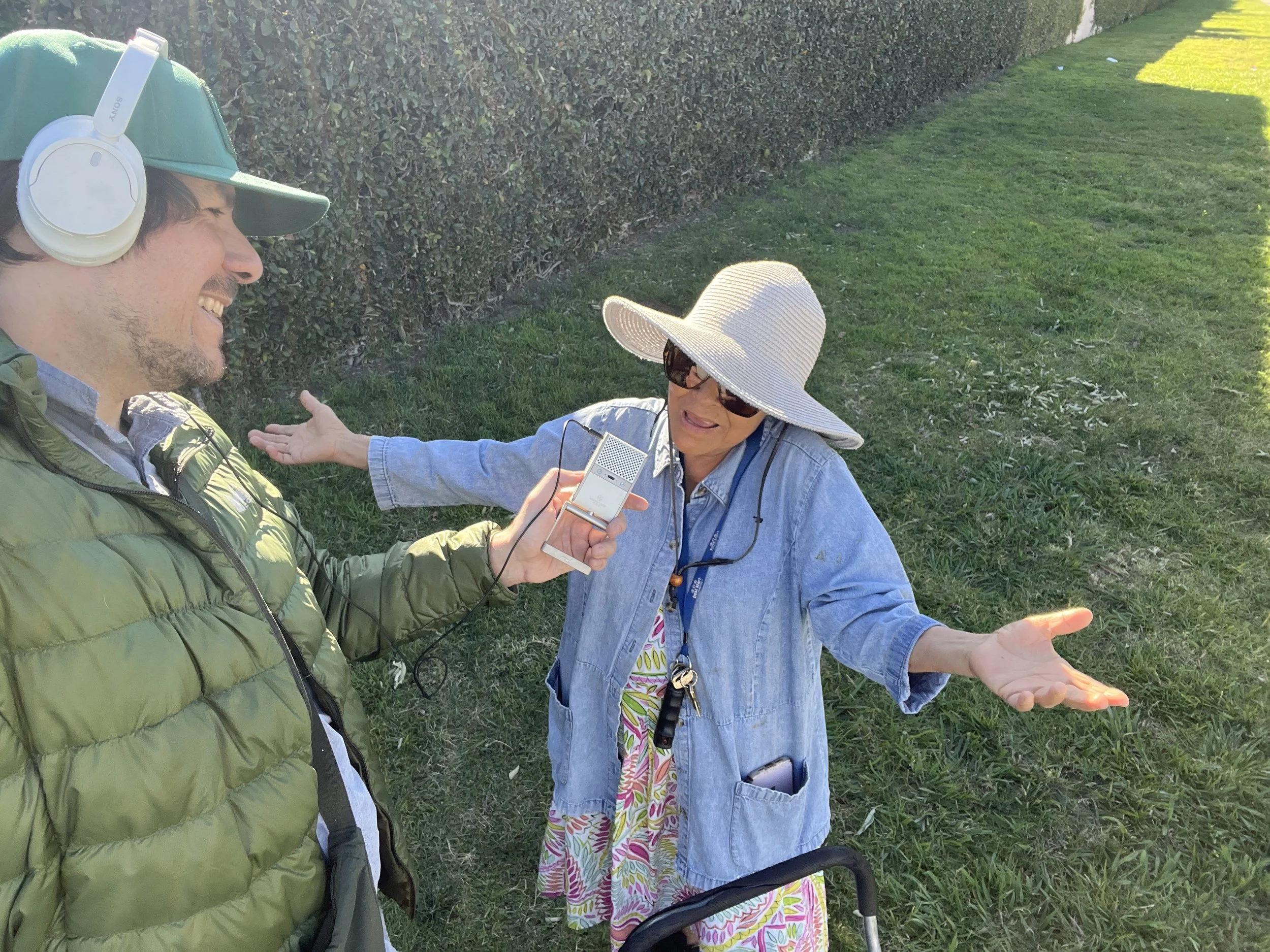
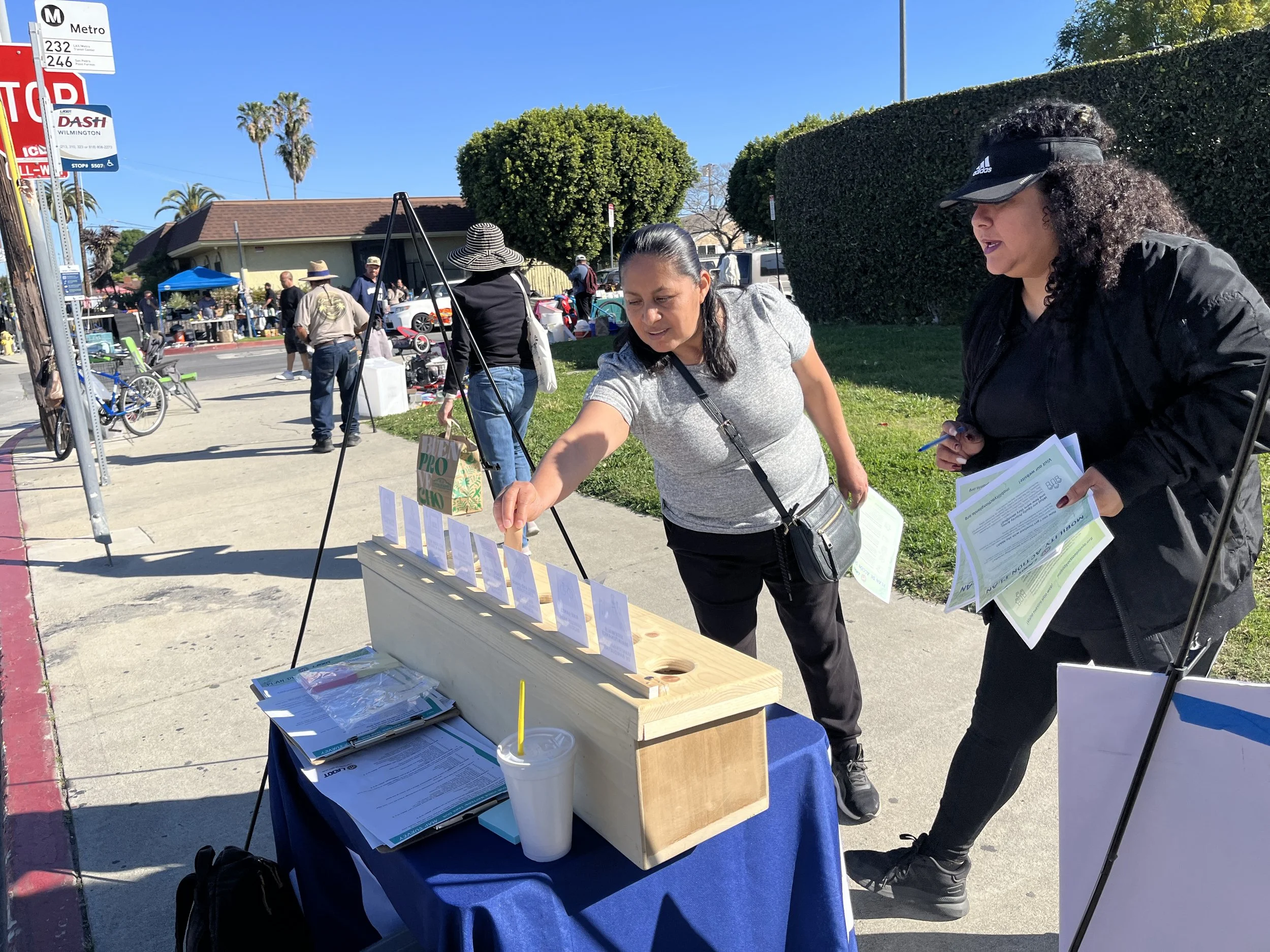
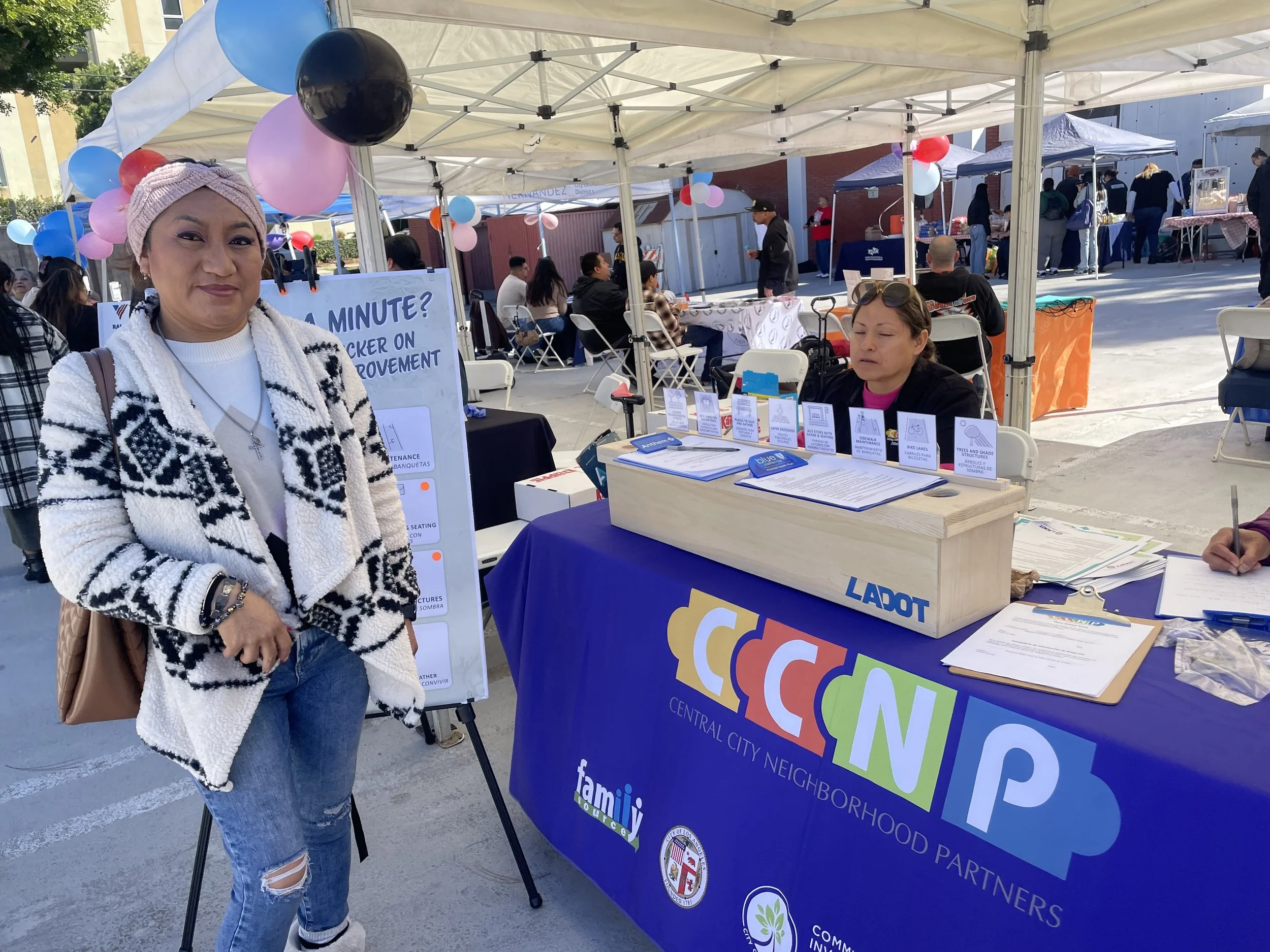
Engagement by the Numbers
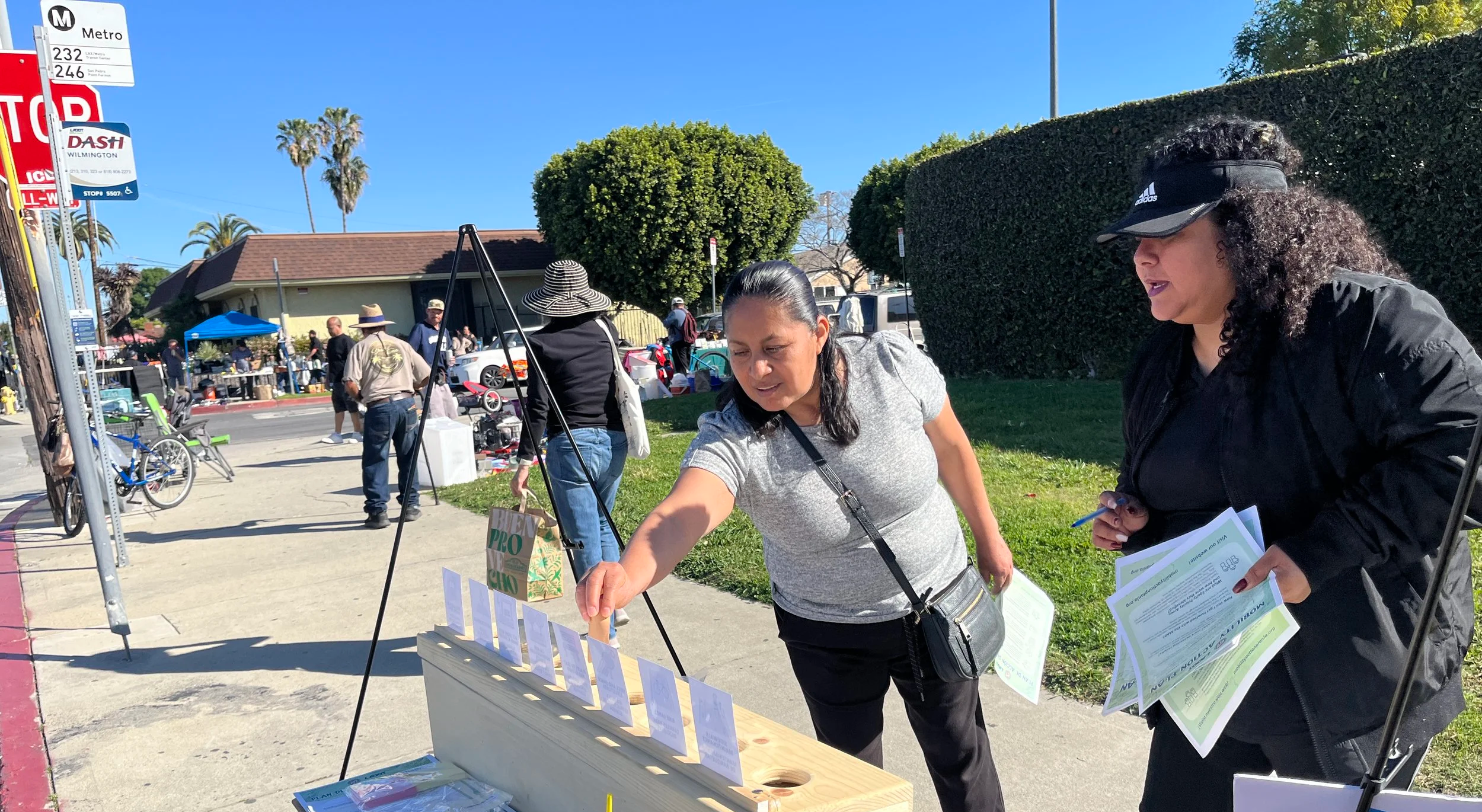
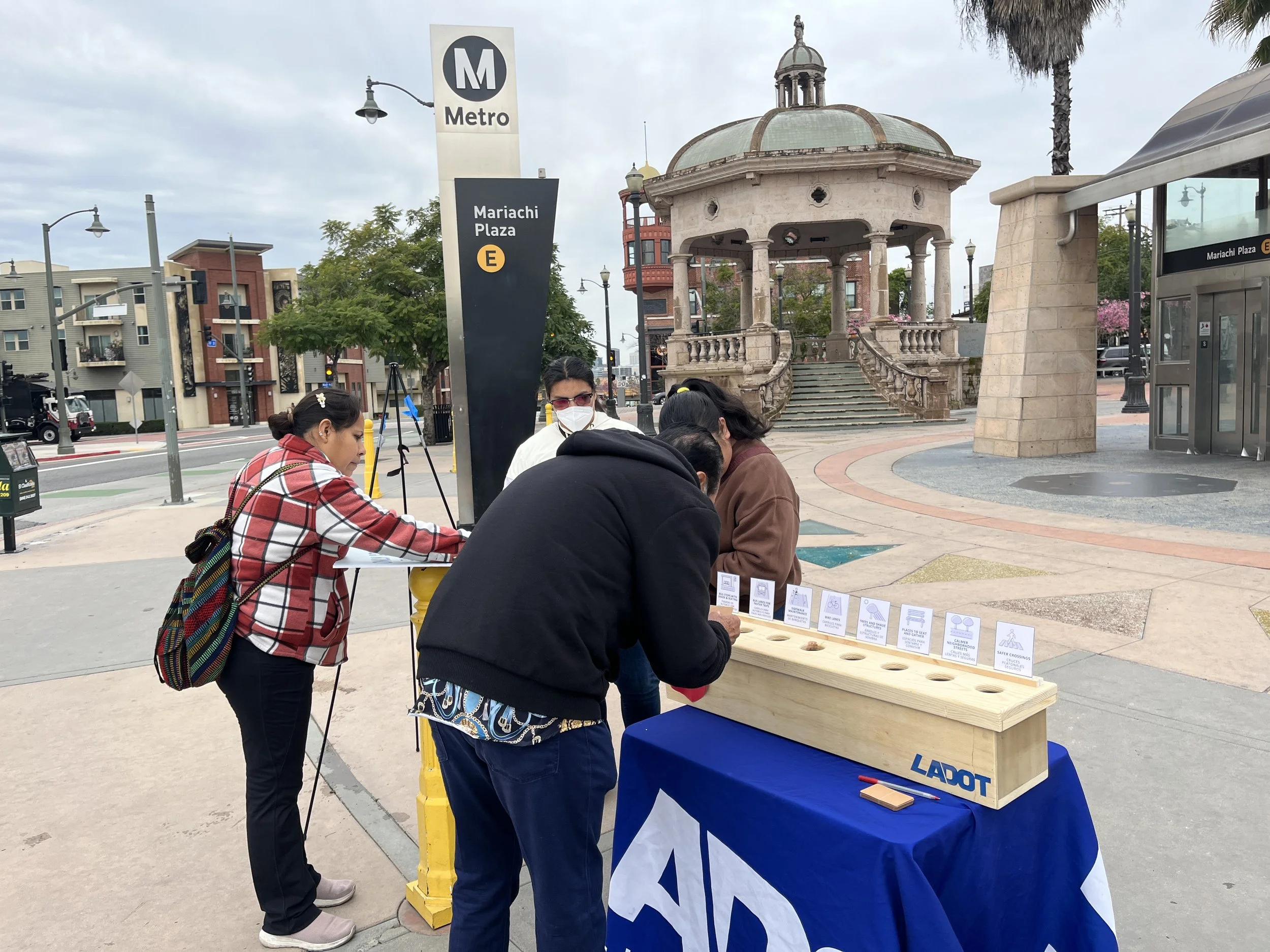
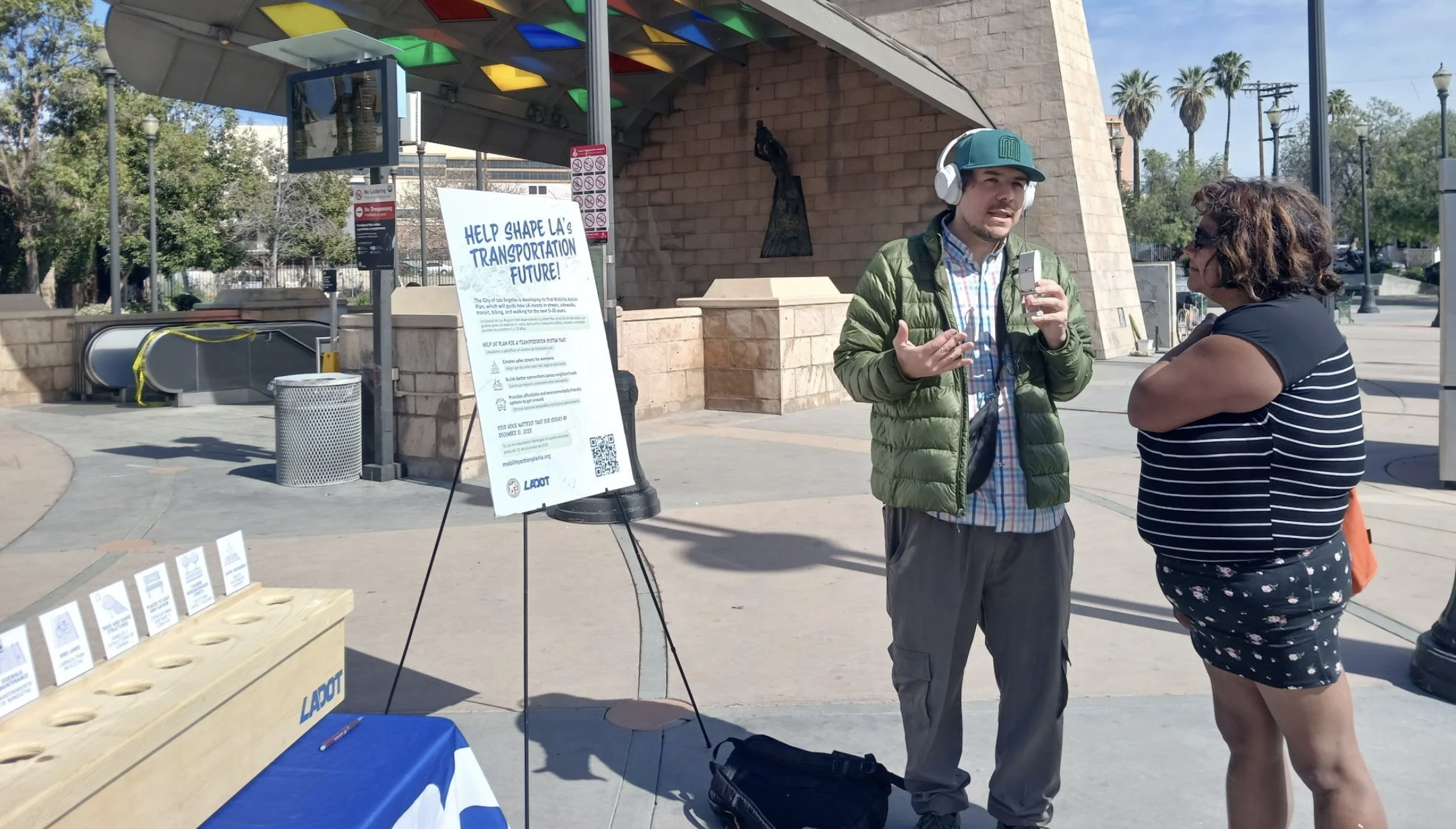
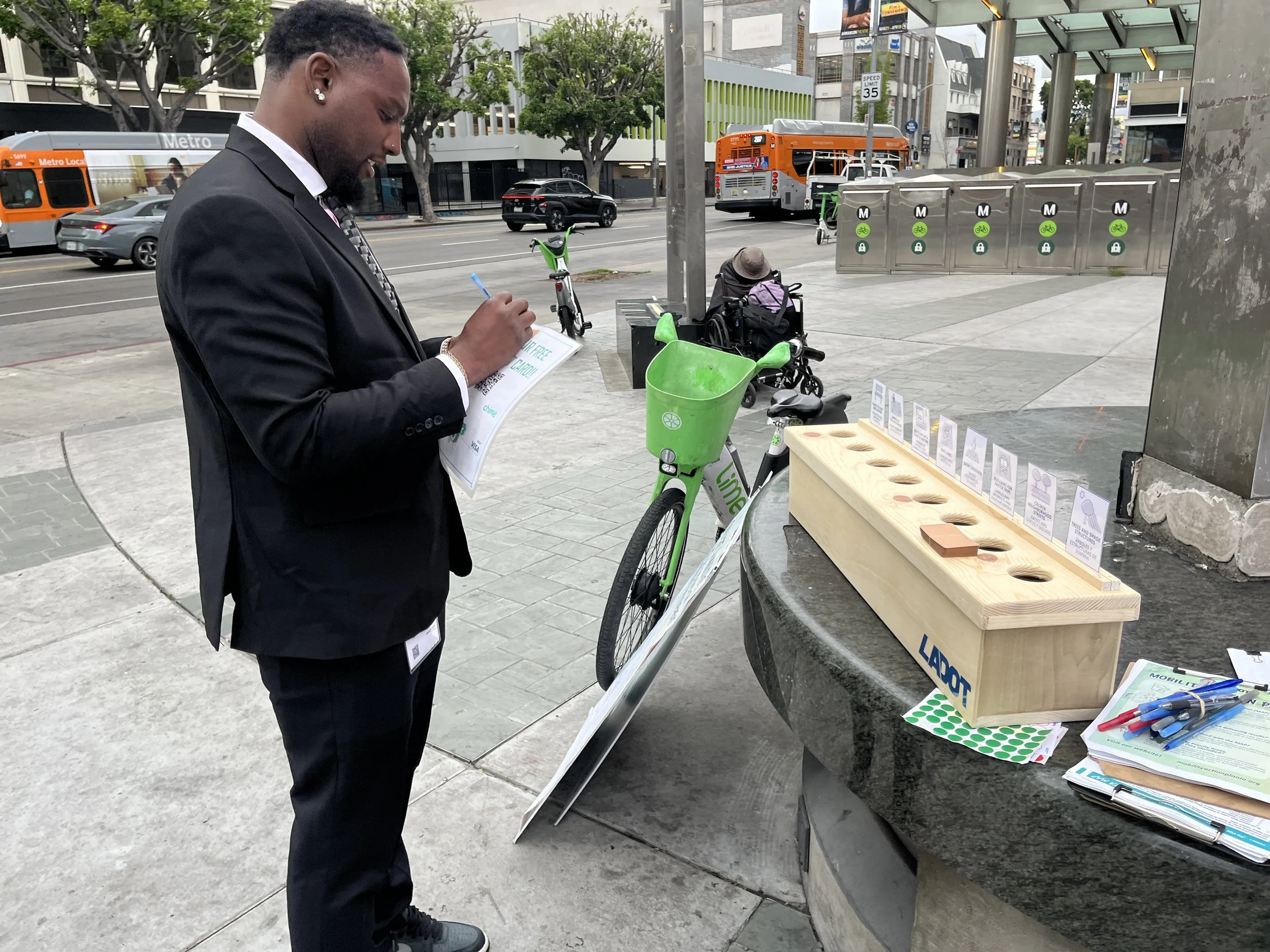
LADOT and community-based organizations conducted engagement for the Mobility Action Plan during Winter 2025-2026 to understand transportation priorities, challenges, and mobility needs across Los Angeles
2,700+
People engaged in person
1,200+
Online participants
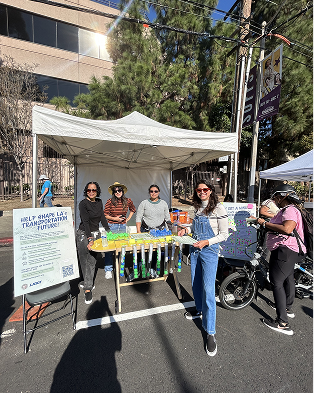
20+
Community events, most held in
Equity Priority Areas
5
Community-based
organization partners:
TRUST South LA, CCNP,
Pacoima Beautiful,
Proyecto Pastoral, LA Walks
How Was Engagement Conducted?
-
![]()
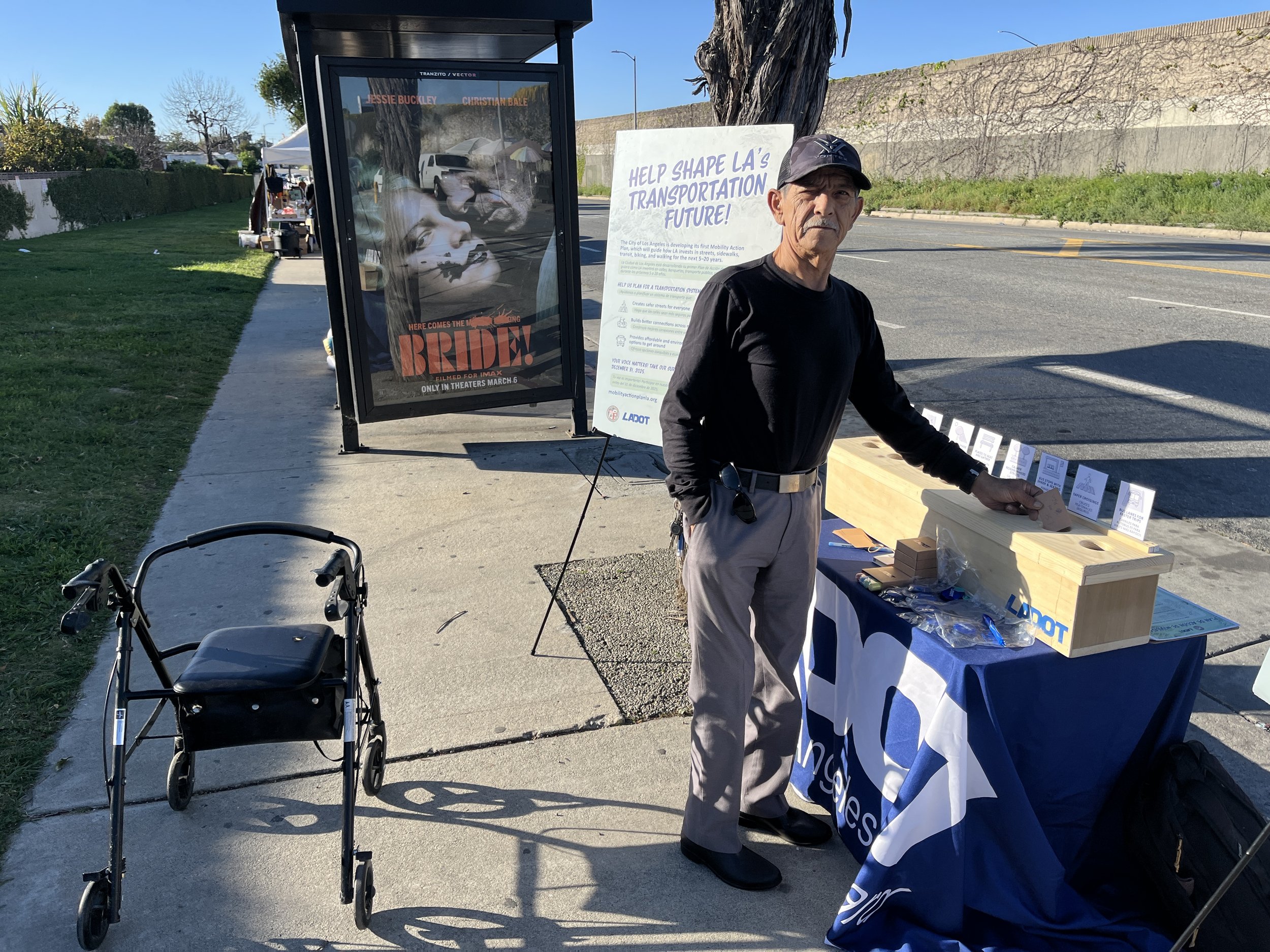
Mobile Beacon "MOBE" Activity
-
![]()
In-Person & Online Survey
-
![]()
Story Collection
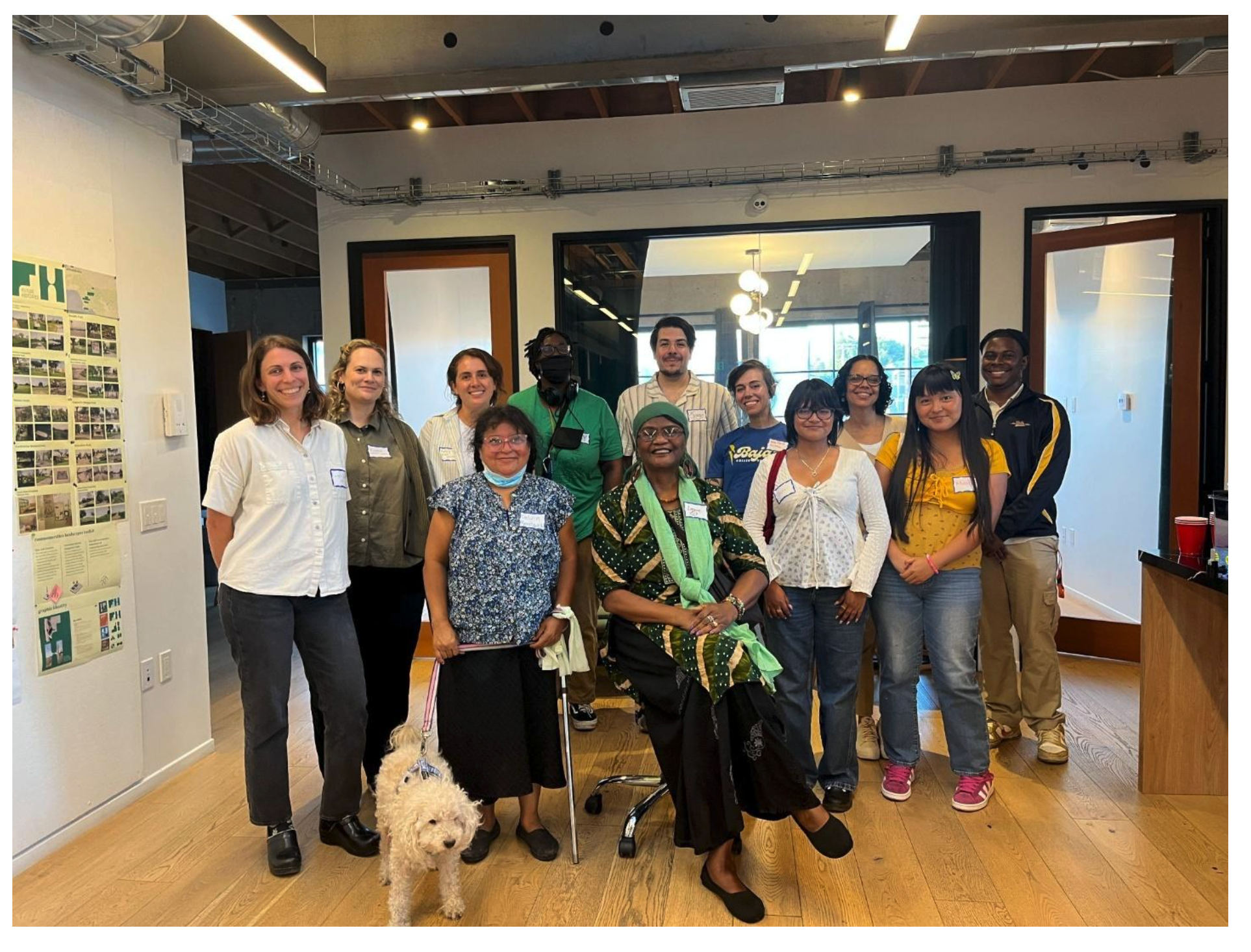
Community Advisory Board (CAB)
The CAB was a key part of the MAP engagement process. The CAB brought together 15 community members with diverse lived experiences to help shape a safer, more equitable, and sustainable transportation system for Los Angeles. Members represented a range of neighborhoods, transportation experiences, identities, ages, languages, and mobility needs.
What We Heard
Mobility Investment
Priorities
Top Mobility
Challenge
Hardest Trips To
Make Without A Car
Who we heard from
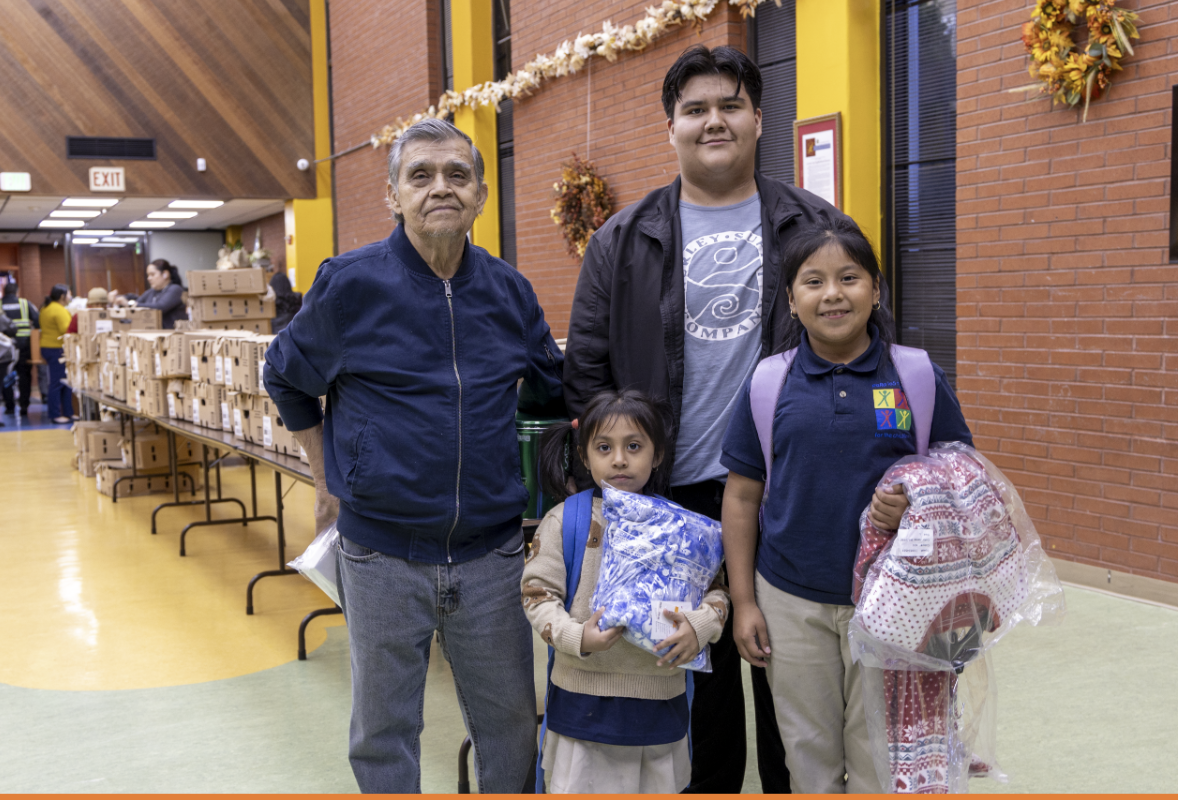
LADOT heard from more than 3,000 Angelenos through online surveys, in-person outreach, mobile engagement activities, story collection, and targeted outreach in Equity Priority Areas.
To better reflect the experiences of communities facing the greatest transportation burdens, LADOT prioritized in-person and community-based engagement. As part of this outreach, 65% of in-person surveys and 90% of story collection interviews were completed in Spanish.
Number of Responses by Focus Populations
Women and Gender Minorities
Online: 366 (51%)
In-Person: 620 (62%)
Low-Income Households
Online (Under $60k): 218 (27%)
In-Person (Under $50k): 207 (77%)
Black, Indigenous, Person of Color (BIPOC)
Online: 379 (40%)
In-Person: 782 (85%)
Young People (Under 29)
Online: 263 (23%)
In-Person: 44 (15%)
Transit Rider, Cyclist, or Pedestrian
Online: 937 (77%)
In-Person: 379 (86%)
Unhoused Individuals
Online: 5 (1%)
In-Person: 29 (3%)
Senior (60+)
Online: 218 (19%)
In-Person: 76 (26%)
How Community Input Shapes the
Mobility Action Plan
Community input helps confirm what matters most when the City makes transportation decisions. The Mobility Action Plan’s guiding principles were developed earlier in the process with input from the Community Advisory Board and Technical Advisory Committee. Phase 1 engagement helped confirm that these values continue to reflect what Angelenos need, including safer streets, more equitable investment, better access, stronger connections, healthier communities, transparency, and responsible use of public resources.
Guiding Principles
Focuses on safe, comfortable, and well-maintained streets and transportation options for people of all ages, genders, abilities, and immigration status.
Centers investments in communities that have experienced historic disinvestment and barriers to mobility.
Supports transportation infrastructure and services that work for people of all ages, languages, and abilities.
Builds better walking, biking, rolling, and transit connections to jobs, schools, services, family, friends, and everyday destinations.
Supports cleaner, healthier, and more climate-resilient communities through sustainable transportation investments.
Supports clearer public information, better coordination across agencies, and meaningful community participation.
Helps the City make coordinated, data-informed investment decisions that preserve public assets and deliver long-term community benefits.
Project Types
Community input points to the kinds of improvements Angelenos want to see.
Residents highlighted the need for safer crossings, sidewalk repairs, bus lanes, bike lanes, shade, lighting, and more comfortable places to walk, bike, roll, and wait for transit. This feedback helps LADOT identify the improvements that should be reflected in the Mobility Action Plan.
Explore Future InvestmentsPrioritization
Community input helps the City compare projects more consistently.
The Mobility Action Plan evaluates projects based on safety, connectivity, equity, and mobility benefits. Community feedback helps confirm that these priorities reflect real transportation challenges, including unsafe streets, network gaps, and barriers faced by communities with greater transportation burdens.
5-Year Plan + 20-Year Transportation Strategy
Community input helps guide what can move forward sooner and what should be planned for later.
The Mobility Action Plan includes a 5-Year Plan for near-term mobility investments and a 20-Year Transportation Strategy for long-term corridor improvements. Public feedback helps shape both immediate priorities and future project development and funding efforts.
Program, Policy + Process Recommendations
Community input also highlights needs beyond construction.
Some transportation challenges cannot be solved by capital projects alone. Maintenance, cleanliness, affordability, operations, coordination, and long-term funding may require programs, partnerships, policy changes, or improved City processes. Community feedback helps identify these broader recommendations.