Mobility Action Plan Update

Los Angeles is developing its first Mobility Action Plan to help guide future investments in streets, sidewalks, transit, biking, walking, and rolling. LADOT and community partners recently completed the first major round of community engagement. This update shares what we heard, how community input is shaping the plan, and what happens next.

The Mobility Action Plan at a Glance

What is the Mobility Action Plan?

The Mobility Action Plan, or MAP helps Los Angeles organize mobility priorities and guide future transportation improvements.

Why does the MAP matter?

It helps the City move from big-picture goals to clearer project lists, funding decisions, and delivery steps.

What does the plan include?

5-Year Plan: near-term mobility investments

20-Year Transportation Strategy: longer-term needs and future project development

What is the Citywide CIP?

The Citywide Capital Infrastructure Program, or CIP, helps Los Angeles plan and prioritize major public projects, including transportation, parks, libraries, utilities, public buildings, and other City facilities.

How does the MAP connect to the Citywide CIP?

The Mobility Action Plan will help guide transportation priorities in the Citywide CIP/

Engagement by the Numbers

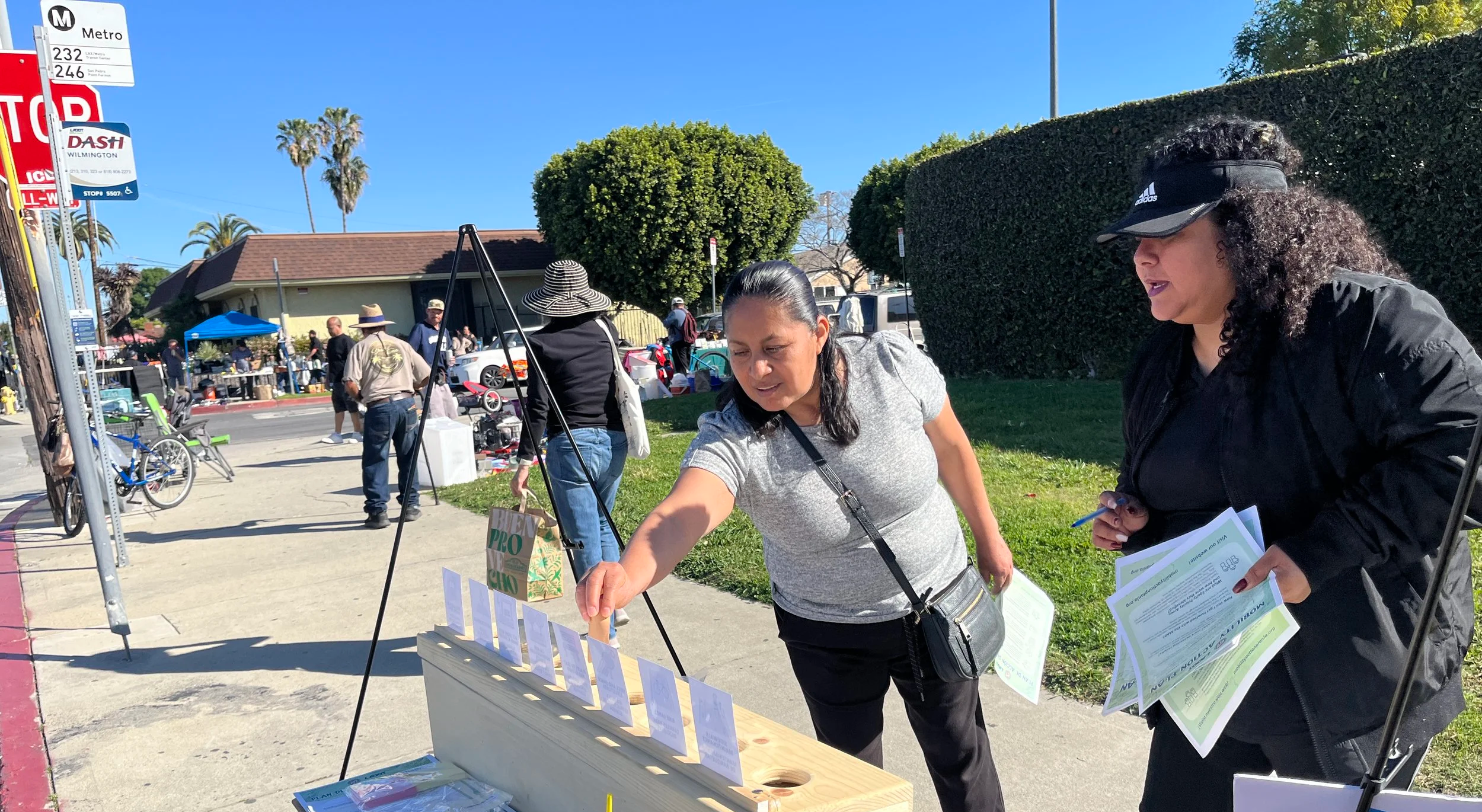
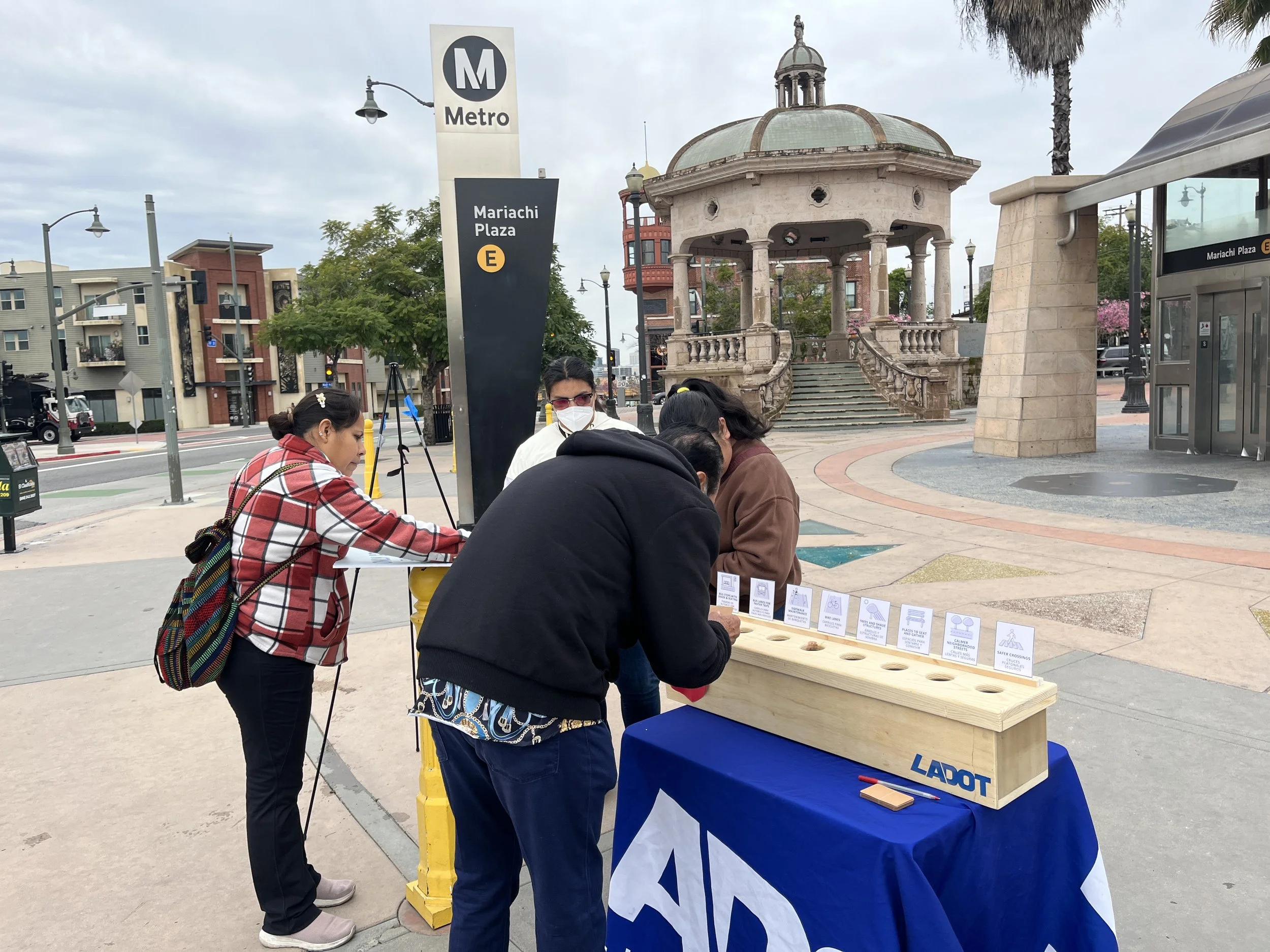
LADOT and community-based organizations conducted engagement for the Mobility Action Plan during Winter 2025-2026 to understand transportation priorities, challenges, and mobility needs across Los Angeles

2,700+

People engaged in person

1,200+

Online participants

20+

Community events, most held in
Equity Priority Areas

5

Community-based
organization partners:
TRUST South LA, CCNO,
Pacoima Beautiful,
Proyecto Pastoral, LA Walks

Mobility Investment
Priorities

Transit

Shade and public space enhancement

Sidewalks and Crosswalks

Bike Enhancements

Top Mobility
Challenge

Limited infrastructure for walking, biking, transit

Traffic Safety

Personal Safety Concerns

Hardest Trips To
Make Without A Car

Visiting friends and family

Traveling to work and school

Grocery shopping and errands

Medical Appointments

PROJECT TIMELINE

Fall 2024 — Late 2026

The Mobility Action Plan is taking shape. LADOT is sharing what we heard from Angelenos, explaining how community input is shaping the plan, and preparing the Mobility Action Plan to help guide future transportation investments through the Citywide Capital Improvement Program (CIP).

Fall
2024

Winter
2025

Spring
2025

Summer
2025

Launch Technical and Community Advisory Boards, and Develop Engagement Plan

Finalize Engagement
Plan &
Project Inventory

Conduct Community Engagement
& Prioritization

Summarize community feedback & develop the Draft Mobility Action Plan

WE ARE HERE!

Gather Data and Recruit Technical and Community Advisory Board Members

Launch Project

Spring
2026

Fall 2025/Winter
2026

Summer
2026

Late
2026

Share Findings +
MAP Next Steps 

Finalize MAP +
Connect to Citywide CIP

Equity Priority Areas

LADOT focused additional outreach in Equity Priority Areas (EPAs) to better understand transportation barriers in communities that experience greater mobility burdens.
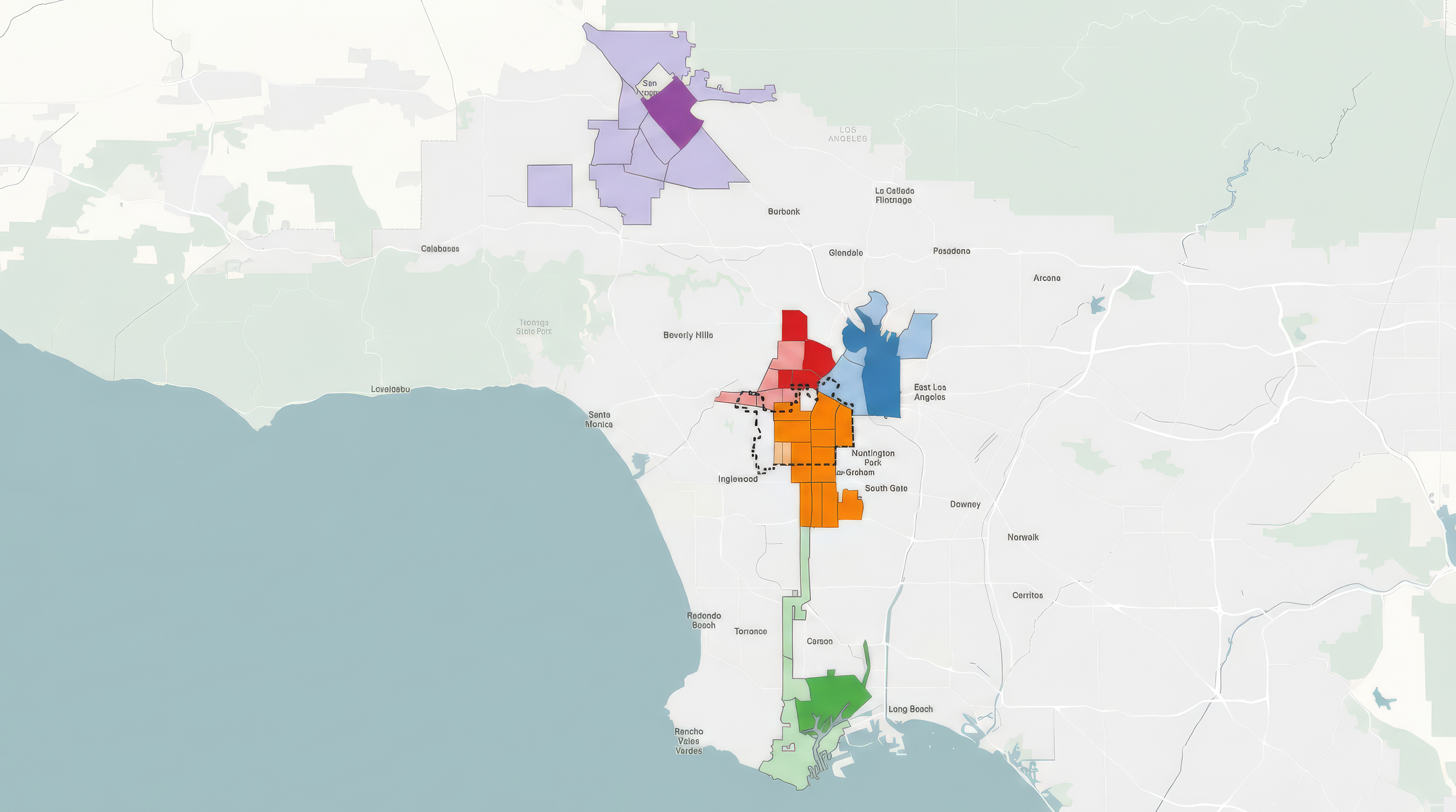
Explore local findings from:

South LA
Central LA
Northeast Valley
Eastside Communities
Harbor Area

How Community Input Shapes the Plan

1.Guiding Principles

Confirms what matters most when the City makes transportation decisions.

2. Project Types

Points to street improvements like safer crossings, sidewalk repairs, bus lanes, bike lanes, shade, and lighting.

3. Prioritization

Helps the City compare projects based on safety, connectivity, equity, and mobility benefits.

4. 5-Year Plan + 20-Year Strategy

Guides what can move forward sooner and what should be planned for later.

5. Program, Policy,
and Process

Highlights needs beyond construction, like maintenance, operations, partnerships, and funding

Next Steps

Finalize the Mobility Action Plan

LADOT will complete the 5-Year Plan, 20-Year Transportation Strategy, and recommendations.

Connect to the Citywide CIP

The Mobility Action Plan will help inform future Citywide CIP updates and transportation investments.

Get Involved

LADOT is launching Phase 2 outreach for the Mobility Action Plan from June 15 through July 3. During this phase, LADOT will reconnect with communities to share what we heard from Angelenos, how community input is shaping the Mobility Action Plan, and what comes next.

Sign Up for Updates

Stay informed about the Mobility Action Plan, upcoming events, and next steps.


Share a Comment or Question

Have a question or comment about the Mobility Action Plan? Use the form below to share whether the findings reflect the transportation challenges you see in your community, or to ask a question about the plan and next steps


Upcoming Events

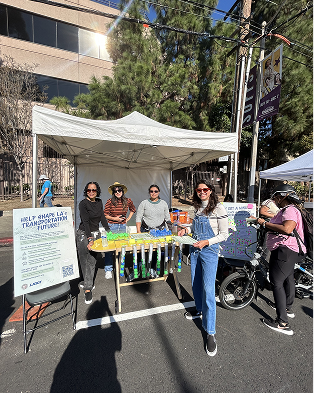
LADOT will be tabling at community events across the City, including events in Equity Priority Areas. Stop by to learn more about the Mobility Action Plan, see what we heard during Phase 1 engagement, and find out how to stay involved.


Contact Us

You can also contact the LADOT team at

ladot.map@lacity.org.

Guiding Principles and Objectives

The guiding principles serve as the foundation for the MAP’s prioritization approach to ensure that the selected projects align with the values and objectives established by the project team. Each principle includes an overall goal and objectives which will be used to help guide project prioritization.

  • Goal:

    Eliminate roadway deaths and severe injuries while promoting secure, inclusive, comfortable, and consistently well maintained travel environments. 

    Objectives: 

    • Focus improvements on the high-injury network.

    • Use design strategies that support gender-responsive safety.

    • Promote safe, walkable, bikeable, and rollable neighborhoods.

    • Improve safety and comfort for vulnerable road users like seniors, children, and people with disabilities.

    • Support efforts that emphasize care and shared responsibility among transportation users. 

    • Ensure that sidewalks, crossings, bike lanes, transit stops, and other public infrastructure are consistently maintained in a state of good repair to support both safety and comfort for users.

  • Goal:

    Center mobility investments on dismantling systemic barriers and promoting safe and affordable transportation options for historically underserved communities, allowing all people to travel with dignity.

    Objectives:

    • Direct investments to neighborhoods with historic disinvestment and limited mobility access.

    • Eliminate financial, physical, and social barriers to mobility (e.g., cost, accessibility, safety, cultural, linguistic) for underserved communities.

    • Ensure inclusion of marginalized groups in decision-making.

    • Align investments with Universal Basic Mobility (UBM) and gender equity strategies

  • Goal:

    Ensure transportation infrastructure and services are inclusive and accessible for people of all ages, languages, and abilities.

    Objectives:

    • Expand compliance with ADA across all modes of transportation, aiming to exceed minimum legal requirements through best practices in accessible infrastructure, vehicles, and services

    • Integrate universal design into the planning, design, and delivery of transportation projects to ensure systems are usable and accessible for everyone.

    • Address physical and functional barriers, prioritizing investments in high-need areas and connection to destinations through extended transit coverage.

    • Improve access to transportation-related information for seniors and limited-tech users.

  • Goal: Build a sustainable transportation network that connects people in Los Angeles to jobs, schools, services, and cultural destinations. 

    Objectives:

    • Close key gaps in multimodal networks to support walking, biking, and transit.

    • Ensure reliable first/last mile connections for pedestrians and bicyclists.

    • Support economic opportunity through access to jobs and other essential destinations.

    • Improve transit connectivity by increasing frequency and service reliability.

  • Goal:

    Deliver transportation projects that improve public health, reduce the environmental footprint of travel, and help communities prepare for the impacts of a changing climate.

    Objectives: 

    • Expand infrastructure for zero-emission vehicles, transit, active transportation, and other low-carbon mobility options.

    • Reduce the number of trips made in single-occupancy vehicles and decrease total vehicle miles traveled (VMT). 

    • Prioritize green infrastructure (e.g., street trees, shade, cool pavement) in communities experiencing extreme heat and environmental burdens. 

    • Use public health and environmental justice data (e.g., asthma rates, heat indexes) to guide investments in high need communities.

    • Design transportation projects that cut emissions and reduce environmental impacts such as air and noise pollution, runoff, and urban heat.

    • Invest in infrastructure that helps neighborhoods adapt to climate change and build long-term resilience.

  • Goal:

    Build public trust by ensuring transparent governance, consistent coordination across agencies, and community engagement that centers dignity, compassion, and respect.

    Objectives: 

    • Expand public access to transportation data, funding decisions, upcoming projects.

    • Standardize engagement practices across departments while tailoring them to project scale, type, and community context.

    • Prioritize inclusive engagement and participation in communities historically excluded from transportation planning.

    • Support community education and capacity building to help residents understand, navigate, and influence transportation decisions.

    • Strengthen interagency coordination to provide seamless, consistent public-facing communication.

  • Goal:

    Funding, staffing, and timelines across departments, prioritizing maintenance and rehabilitation, and planning for long-term infrastructure needs.

    Objectives: 

    • Align funding, staffing, and readiness across departments to ensure efficient coordinated and project delivery.

    • Steer limited resources toward projects that offer the greatest long-term value, reduce risk, and advance shared transportation goals.

    • Prioritize a state of good repair through proactive asset management and timely rehabilitation of existing infrastructure.

    • Account for future maintenance and operational costs when evaluating new projects to ensure ongoing sustainability.

    • Use transparent, data-driven tools to weigh tradeoffs, inform funding decisions, and build public accountability.